Table Of Content
The cost of a home generator will depend on several factors, from its make and model to its power capacity and features. According to HomeAdvisor, the typical cost of a whole-home generator lands between $5,000 to $25,000. While addressing the conditions that cause extreme weather requires systemic solutions, you can keep the lights on and gain a little peace of mind with a home generator.
Unexpected Benefits of a Standby Generator
Some houses have a permanent propane tank, but propane is also available in smaller containers at grocery stores, hardwood stores and even gas stations. Briggs & Stratton is next on our list with the PowerProtect 12kW Standby Generator and the smaller 10kW version. Briggs & Stratton’s big selling point is that the generators are 30% smaller than the overall footprint of all competitors due to a taller vertical design that takes up less space on the ground. A smartly placed, front-facing exhaust keeps fumes blowing away from your home instead of toward open windows. The Honeywell 10kW Home Generator had the quietest engine of the whole house generators we evaluated, with a relatively low 57 decibels of noise. Whether or not each generator offered an electric start feature gained or lost a generator points to amount to 5% of the total ranking.
Are home generators worth it?
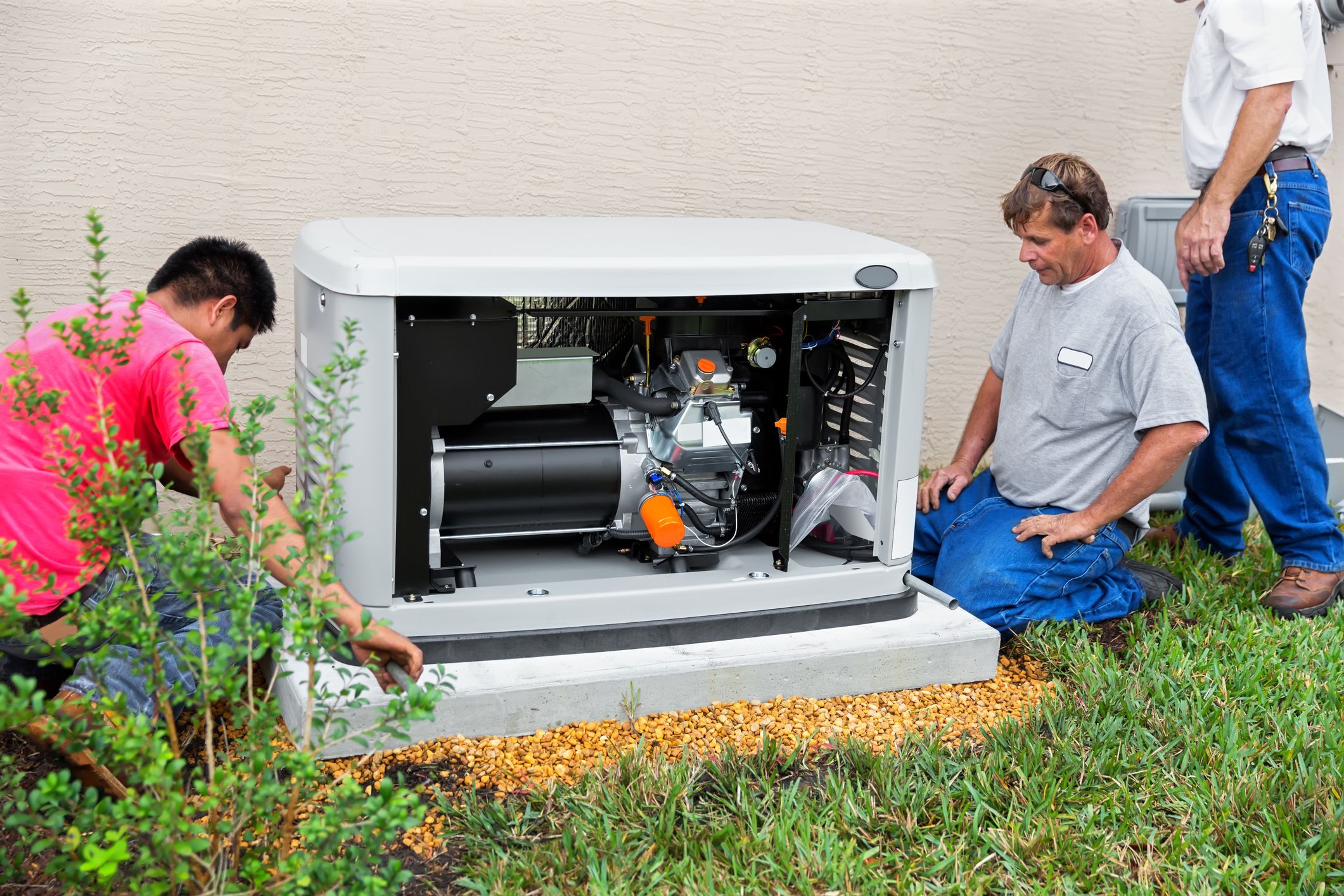
However, it’s important for homeowners to note that gasoline has a short lifespan and may need to be discarded at a cost when it has gotten too old. Gas-powered generators are smaller, less powerful options that are portable and require a manual start. Unlike storebought portable generators or smaller backup systems that you can set up yourself, a whole house generator is a larger system that requires professional setup and installation. According to the renovation resource site Angi, the average all-in cost for a home generator system is between $1,471 and $8,340, with homeowners spending $4,906 on average. A whole house generator gives your home freedom from disruptive power outages by using an independent energy source like natural gas or propane to generate electricity.
Independence From the Grid
You should also factor in the cost of whole-house generator installation, which should be done by a professional. The seven whole home generators reviewed above aren’t your only options. While they didn’t meet all of our criteria for the best whole home generators of the year, one of these models might be right for your energy needs. All in all, the Pulsar G12KBN generator is a good choice if you want a generator with high power capacity on the road. It's reasonably priced at just under $1,000 but comes with only a one-year limited warranty.
Installation
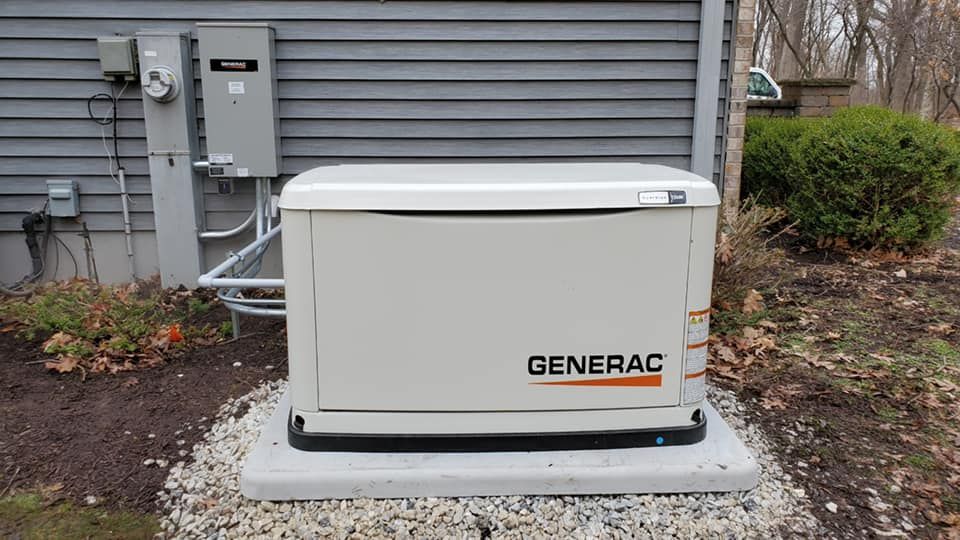
A home standby generator supplies electricity to your home in the event of a power outage from the municipal electrical grid. Unlike their smaller, portable cousins, home generators are permanently installed and connect directly to the home’s electrical circuits. A whole house generator is the most powerful type of home generator available.
What’s the difference between a home standby generator and a whole-house generator?
A standby generator with about 25 kW can power a 2,500-square-foot home. While it's always best to get a professional opinion, you can estimate that 1 kilowatt can power 100 square feet. With intelligent power management features, automatic transferring and start-up and self-running weekly tests, home generators are designed to last a long time with only simple, regular maintenance. Their power output and general dependability make them a worthwhile investment, especially if you live in an area prone to power outages. Unlike portable generators, home generators are ready the moment your power goes out and most will even start themselves automatically when they sense the draw of power from your home’s electrical panel. Even if they don’t start automatically, home generators often have a remote start, which is significantly easier than a pull-cord that you might find on a portable generator.
You will have to factor the cost of the fuel itself into this equation, as you'll need to fuel the generator to use it. Some home generators run on natural gas, which is typically cheaper than gasoline. Propane is a common fuel source for portable generators, less so for whole-home options.
Maintenance
Average Cost To Rewire A House In 2024 – Forbes Home - Forbes
Average Cost To Rewire A House In 2024 – Forbes Home.
Posted: Sun, 14 Apr 2024 07:00:00 GMT [source]
“One of the first things to think about when choosing the correct generator for your needs is the size of your home and the amount of energy you typically consume,” says Raabe. A 26 to 32 kW unit is a big enough generator for a whole home with average energy needs. Larger homes that require a lot of power may need a 45 to 48 kW generator. The best way to determine the correct whole-house generator sizing is for an installer to assess the home and the property. Many generators today are dual fuel, meaning they can take either propane or gas. Dual fuel engines are helpful for their versatility — even if you usually use propane, natural gas might be more accessible, especially during a natural disaster.
Choose a large enough generator to meet your specific requirement and match the energy consumption required. The output of an electrical generator more or less determines the amount of fuel it will consume while operating. A 10-kW generator consumes around 100 to 120 cubic feet per hour of natural gas running at half capacity, while a 20-kW model requires between 190 and 290 cu ft/h at half load. Depending on the generator size and fuel cost, expect operating costs of between $50 and $210 per day. With a home generator, you don’t have to fuel up during emergencies or run long extension cords in the middle of the night or in pouring rain. Instead, the generator will automatically kick on to immediately take over powering your home.
Costs also vary by fuel type, with solar-powered generators usually costing the most but potentially saving you money on long-term energy costs. Meanwhile, gasoline generators are usually the most affordable, but you won’t find many whole-house options for this fuel type. This won’t affect the purchase price but will affect the cost of purchasing and storing the fuel and the total cost of running the generator.
A small 7 kW portable generator costs $10 to $70 per day to run, while a larger 15 to 20 kW whole-home generator costs $30 to $170 per day to run all day. Costs depend on the generator’s size, fuel type, and local gasoline, propane, diesel, or natural gas prices. Portable generators connect to a home's electrical panel with a transfer switch or interlock kit. This allows the generator to power lights and essential appliances for outages lasting less than two days. However, portable generators can’t power heating and cooling systems or sensitive electronics.
Yes, whole-house generators often increase the resale value of a house. This is especially true in regions that experience a lot of power outages since it can bring valuable peace of mind to prospective buyers. Generators are typically installed on a concrete pad to ensure they’re stable. Installation costs usually range from $50 to $75 per square foot, so the larger your generator, the more you’ll pay for a concrete pad installation. Briggs & Stratton home generators cost $2,400 to $15,300 depending on size, with models ranging from 10 to 48 kW. Briggs & Stratton generators feature wireless monitoring, automatic low oil shutdown, and power management to control power distribution to select appliances and prevent overloads.
A Champion Power Equipment generator is best for small RVs or charging devices while you’re camping. We don't recommend using this generator as a standby power source to run your home appliances. This industrial-grade portable generator is designed for work sites, camping or backup power at home. Its 457 CC 4-stroke gas engine delivers a high power capacity of 12,000 watts for up to 12 hours. Like other standby generators, this Champion model will turn on automatically in a power outage. It sells for around $3,300, which is affordable compared to similar home generators, but if you want a high power output to run a larger home, it might not be the right generator for you.
A standby generator that will make sure the sump pump can do its job. Before you start shopping for generators, you should know what you’re looking for. Starting at $5,600, it is less expensive than the 24kW generator but still in the higher price range. That said, if positive reviews are important to you, the Guardian 20kW is a good choice. It’s designed to withstand all kinds of natural disasters and will last for years. The most notable feature of this generator (compared to other models in the Guardian line) is its positive reviews.
While solar whole house generators derive their power from the sun, they are dependent on a majority of sunny daylight hours. Generators in overcast areas may not be able to keep up, no matter how extensive the array of solar panels. Learn the cost of a whole house generator for your own house, as well as the type and size of generator required.


No comments:
Post a Comment